Study inSample data
Study in Germany
400+ universities, tuition €0–3k/yr (public), and 18-month job-seeker permit to work after you graduate.
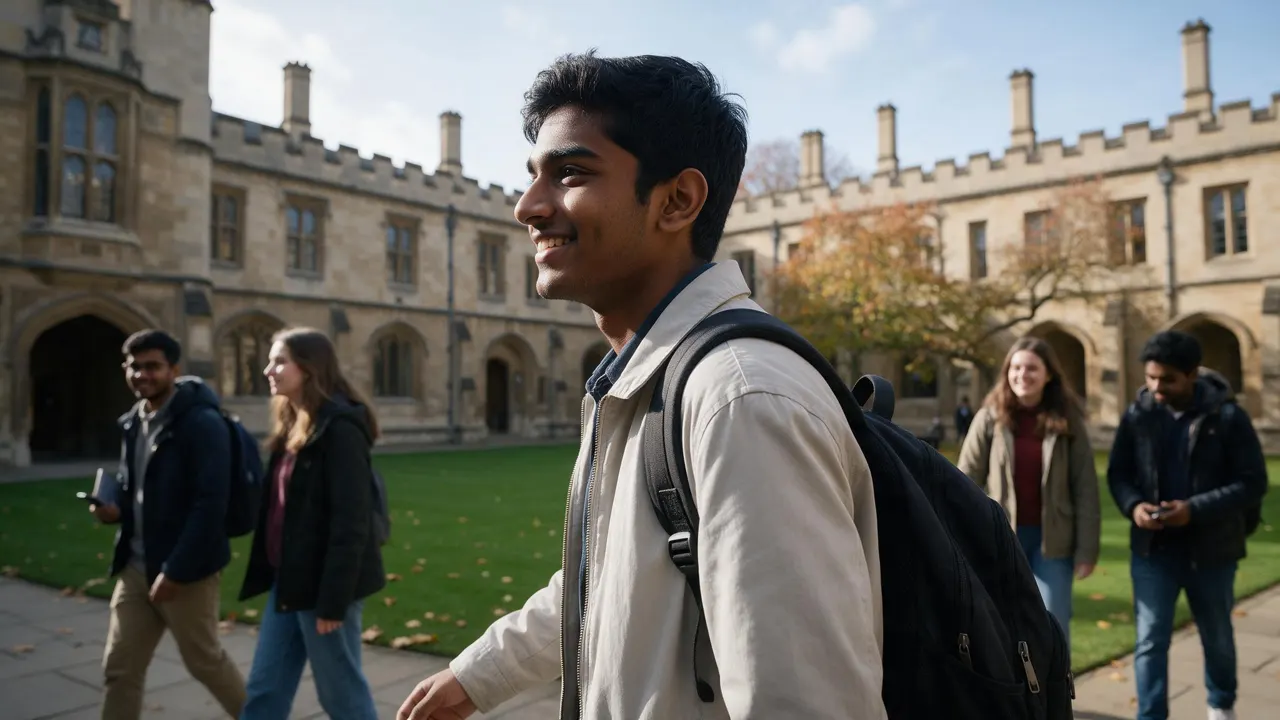
Why study in Germany
- Little or no tuition at public universities
- Engineering and research powerhouse
- 18 months to find a job after graduation
Cost of studying
| Expense | Per year (approx.) |
|---|---|
| Tuition | €0–3k/yr (public) |
| Living | €11.9k/yr (blocked account) |
| Health insurance | varies |
| Visa fee | one-time |
Indicative figures; confirm with each university.
Popular universities
Technical University of MunichRWTH Aachen UniversityTU BerlinPopular courses
MS Computer ScienceMBAMSc Data ScienceEngineering ManagementBusiness AnalyticsPublic HealthIntakes & tests
Student visa
Apply after you accept an offer and show funds. Read the visa guide →
Work after study
18-month job-seeker permit. Part-time work is allowed during term within the visa limits.
Cost of studying in Germany
Tuition €0–3k/yr (public); living €11.9k/yr (blocked account) (sample ranges).
Application timeline
Top universities in Germany

FAQs
How much does it cost to study abroad?
Tuition plus living ranges from ₹15–60 lakh for a master’s depending on country and city; Germany is lowest, the US highest (sample ranges).
When should I start applying?
12–15 months before the intake: tests first, then shortlists, SOPs and applications.
Which test do I need: IELTS or TOEFL?
Most universities accept both; check the course page. Aim for IELTS 6.5 overall for master’s programmes.
Can I work while studying?
Usually up to 20 hours a week in term time; rules differ by country.
Plan your study abroad with an expert
Shortlist, SOPs, scholarships and visa, with one counsellor from start to offer.
Explore more
More in Study Abroad
Study Abroad
Study in Australia
OpenStudy Abroad
Study in Canada
OpenStudy Abroad
Compare countries to study abroad
OpenStudy Abroad
Courses abroad
OpenStudy Abroad
Study in Ireland
OpenStudy Abroad
Scholarships to study abroad for Indian students
OpenStudy Abroad
Study in United Kingdom
OpenStudy Abroad